Disconnected Care and Performance
Rehabilitation, return-to-play, and performance phases are typically siloed, which creates gaps in continuity and slows long-term development.
Founded in Philadelphia, The Science of Strength Institute was built to close the gap between rehabilitation principles, performance coaching, and coach education.
The Science of Strength Institute started from a simple observation: too many athletes and professionals were stuck between disconnected systems. Clinical rehab lived in one lane, elite performance coaching lived in another, and practical education for trainers was often left behind.
The institute was created to integrate those lanes into one model: movement assessment, individualized programming, coaching execution, and measurable performance progress. This integration allows clients and coaches to make decisions based on objective insight, not guesswork.
What began as a founder-led performance philosophy evolved into a full operating framework that serves athletes, fitness professionals, and institutions with one unifying objective: turn complex data into practical action and measurable outcomes.
As the model matured, the focus expanded from isolated sessions to complete development pathways. Every stage now connects assessment data, coaching strategy, and progression checkpoints so that performance gains are deliberate, traceable, and repeatable over time.
This same framework also strengthens return-to-performance planning. By identifying movement constraints early, prioritizing high-impact opportunities, and adjusting prescriptions as new data appears, the institute helps athletes and coaches move beyond reactive fixes toward proactive, sustainable development.
Looking forward, the story is not only about growth in volume but growth in precision. The Science of Strength Institute is designed to scale into additional metro markets while protecting the same standard: science-led coaching, data-informed decisions, and measurable results that translate to real performance outcomes.
Most performance and fitness pathways are fragmented. Athletes are passed between separate systems, coaches are trained without practical mentorship, and decisions are often made without objective movement intelligence.
Rehabilitation, return-to-play, and performance phases are typically siloed, which creates gaps in continuity and slows long-term development.
Without reliable data, load progressions, movement corrections, and readiness decisions rely too heavily on assumptions and generic templates.
Many coaches complete certifications but lack real-world translation frameworks to coach confidently across diverse athlete and client profiles.
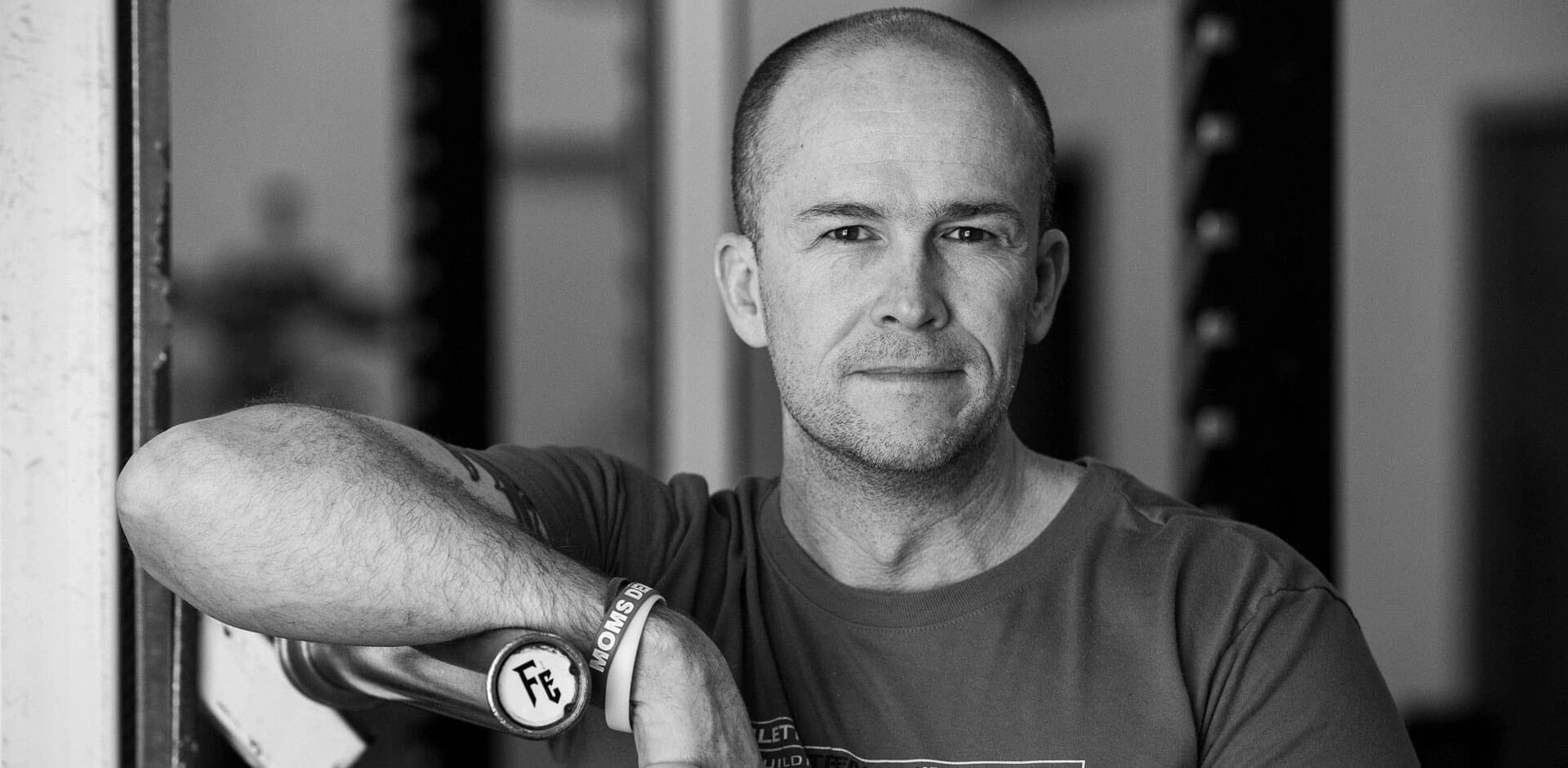
“Train the individual, not the sport.”
Chris Dellasega is a strength and conditioning coach, human performance specialist, and educator with over 20 years of experience working with athletes from NCAA Division I through Olympic and professional levels.
Protocols and program decisions are grounded in biomechanics, exercise science, and measurable outcomes.
Each athlete and professional gets a path built for their physiology, movement profile, and performance goals.
Training and education are designed for real-world application, not theory alone.
Our solution architecture combines biomechanical intelligence, individualized coaching, and practical education into a repeatable system that scales across private clients and institutional partnerships.
DARI Motion and structured intake protocols establish objective baselines for movement quality, asymmetries, and performance readiness.
Findings are converted into individualized, phase-based programming that reflects sport demands, injury history, and current capacity.
Coached implementation focuses on technique quality, progression control, and adaptation cycles tied to measurable checkpoints.
Continuous re-testing and performance reviews guide the next prescription so growth remains evidence-based and sustainable.
Whether you are an athlete, coach, or organization, we can build a pathway aligned to your performance goals.